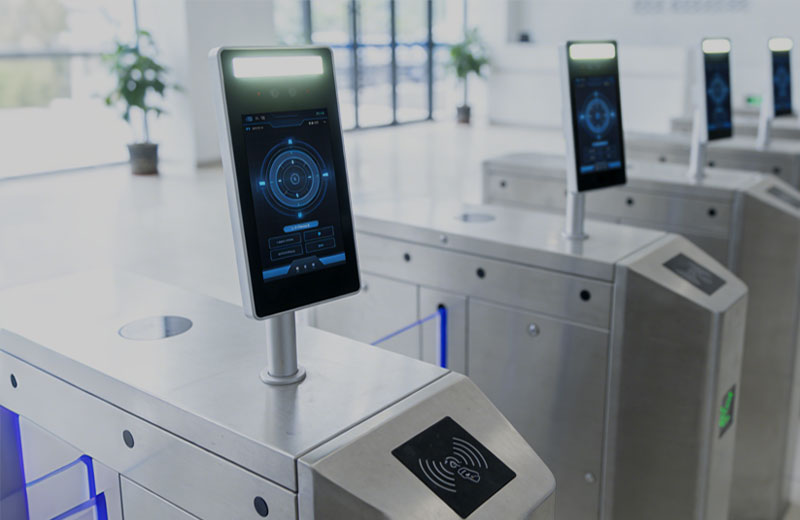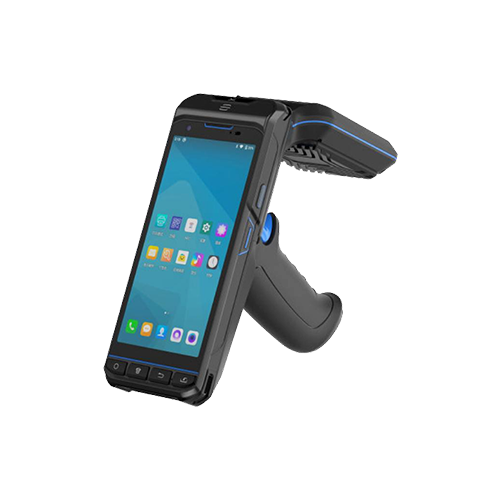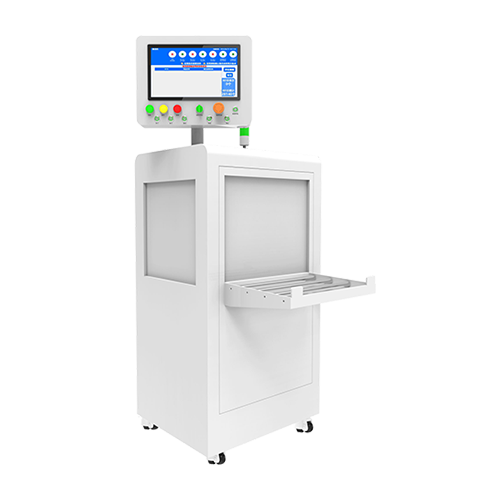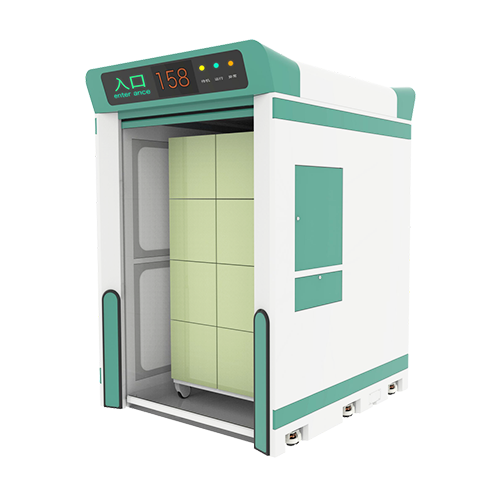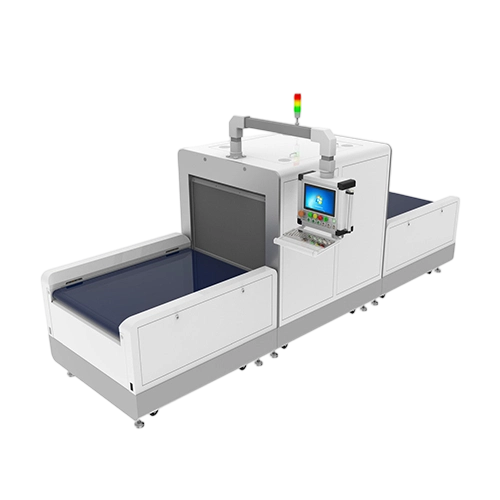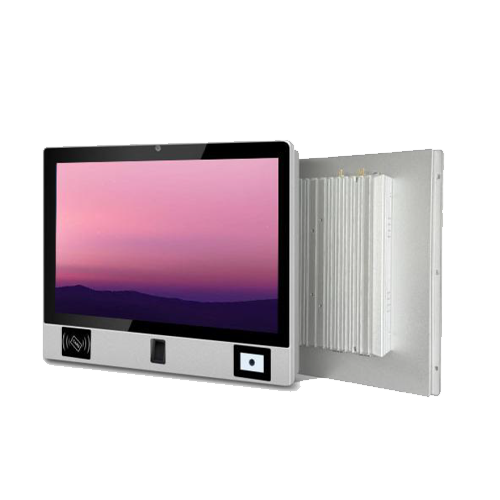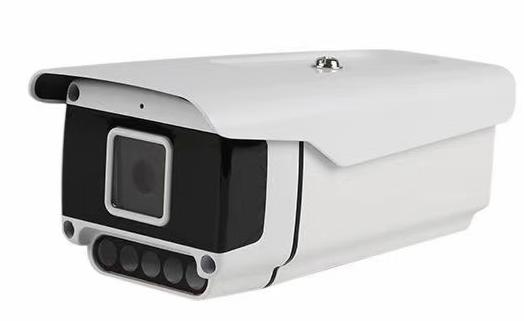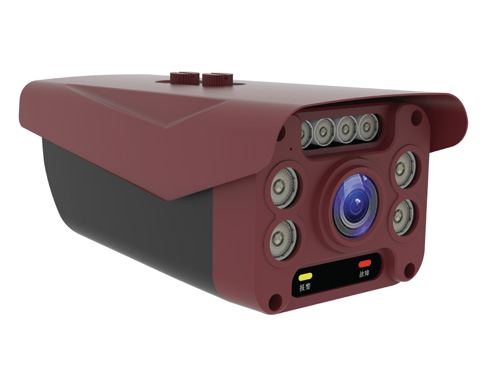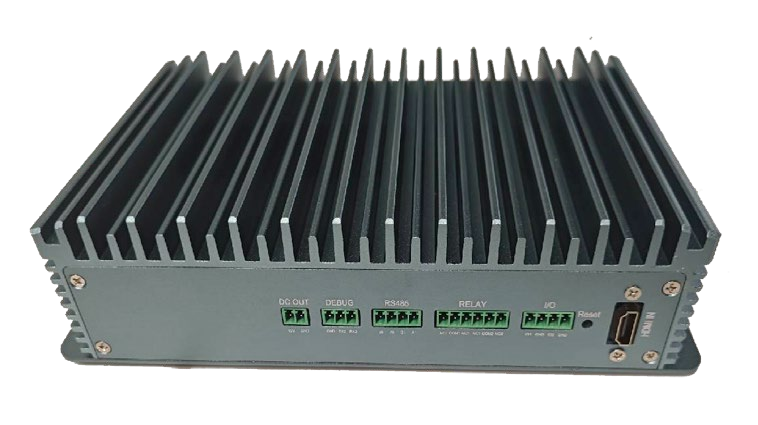


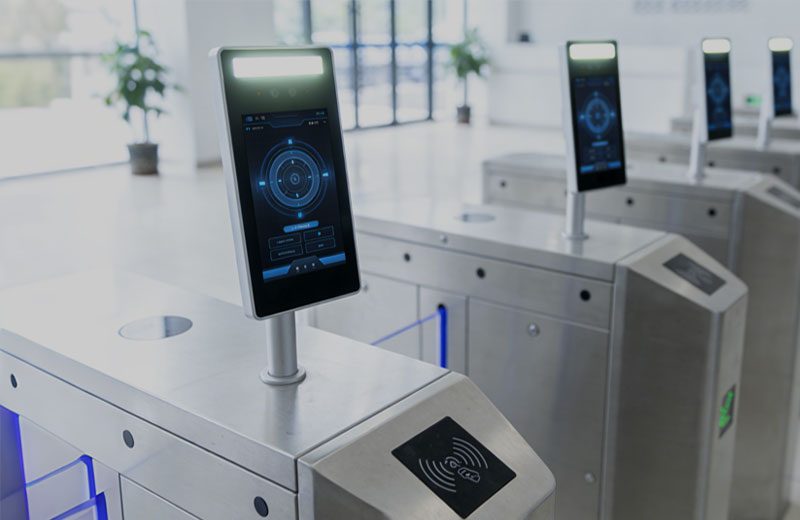
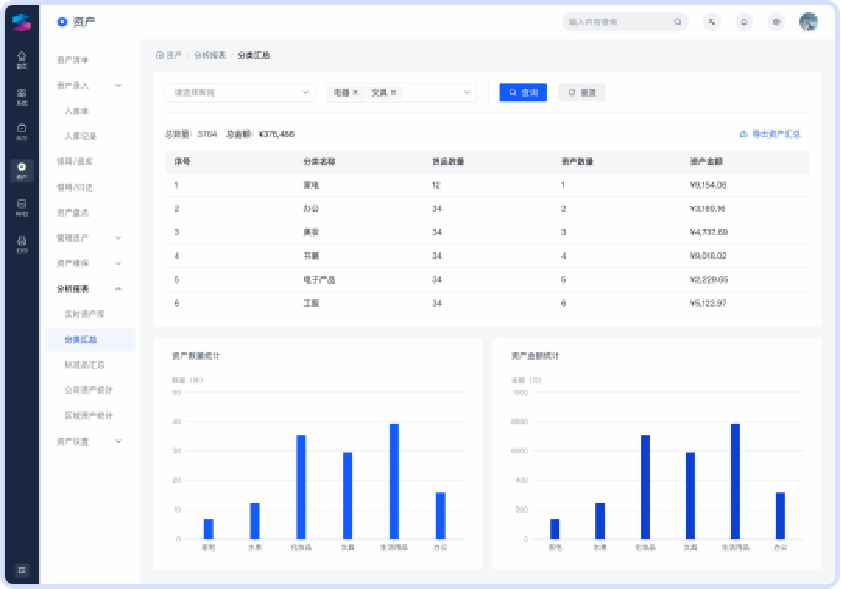
This system has the management capabilities for asset allocation and return as well as inventory management of consumable storage materials. RFID technology enables each item to have a unique code, giving assets and materials a distinct identity. RFID supports the rapid collection of information over long distances and can greatly assist us in quick inventory checks, data entry, and locating goods. It ensures that the usage of assets and materials is traceable, prevents loss of goods, and guarantees data traceability. This system also supports manual selection, as well as barcode and QR code scanning, and mobile APP monitoring of data, making it convenient to operate and use in any situation.
In the operation of modern enterprises, fixed assets such as desks, equipment and server rooms are crucial for production efficiency and business continuity. However, current asset management faces numerous challenges, especially issues such as low inventory efficiency, difficulty in locating equipment after failure, cumbersome maintenance processes, and unclear asset quantity. These problems not only lead to waste of resources but also may affect the normal operation of the enterprise and customer satisfaction.

The traditional manual inventory method is time-consuming and the frequent inventory checks are difficult to ensure accuracy, resulting in increased resource consumption and management costs.

After the equipment malfunctions, there is a lack of effective tracking and recording methods, making it difficult for the maintenance personnel to quickly locate the faulty equipment, which affects the maintenance efficiency and response time.

The maintenance and upkeep process of the equipment is complex, lacking systematic management tools, making it difficult to timely record and track the maintenance history, thereby increasing the risk of equipment failure.

The maintenance and upkeep process of the equipment is complex, lacking systematic management tools, making it difficult to timely record and track the maintenance history, thereby increasing the risk of equipment failure.



The RFID asset management system enables asset managers to quickly find the information they need from previously scattered and messy asset data, reducing work pressure and improving work efficiency.
Through the system's real-time tracking and monitoring functions, it ensures the safety and integrity of fixed assets, reducing the risk of asset loss, damage, and idleness.
The RFID asset management system accumulates reliable historical data on assets. By analyzing this data, it can measure asset quality, evaluate supplier service levels, scientifically predict future asset needs, and provide effective decision support for asset procurement.
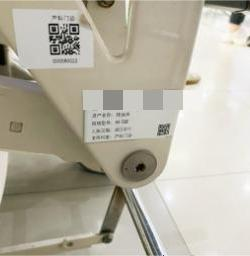


The RFID system reduces the reliance on manual operations through an automated data collection and processing process, thereby significantly lowering labor costs and enhancing work efficiency.

Through data analysis, enterprises can identify idle or inefficient assets, thereby optimizing resource allocation, reducing operating costs, and minimizing losses caused by asset failures.

The traditional asset inventory process requires a significant amount of time and manpower. However, RFID technology can complete a comprehensive inventory in a short period of time. By using RFID tags, enterprises can complete asset verification within a few minutes, significantly reducing the inventory time.